

HOW THE WORST LYNCHING IN AMERICA LED TO COLUMBUS DAY
People are willing to leave everything familiar behind to seek a better life. Coming to America potentially offered opportunities unknown at home. The reality is they will always be faced with unexpected challenges. One of the biggest challenges is finding out your new fellow countrymen hate you for being different from them.
COMING TO AMERICA
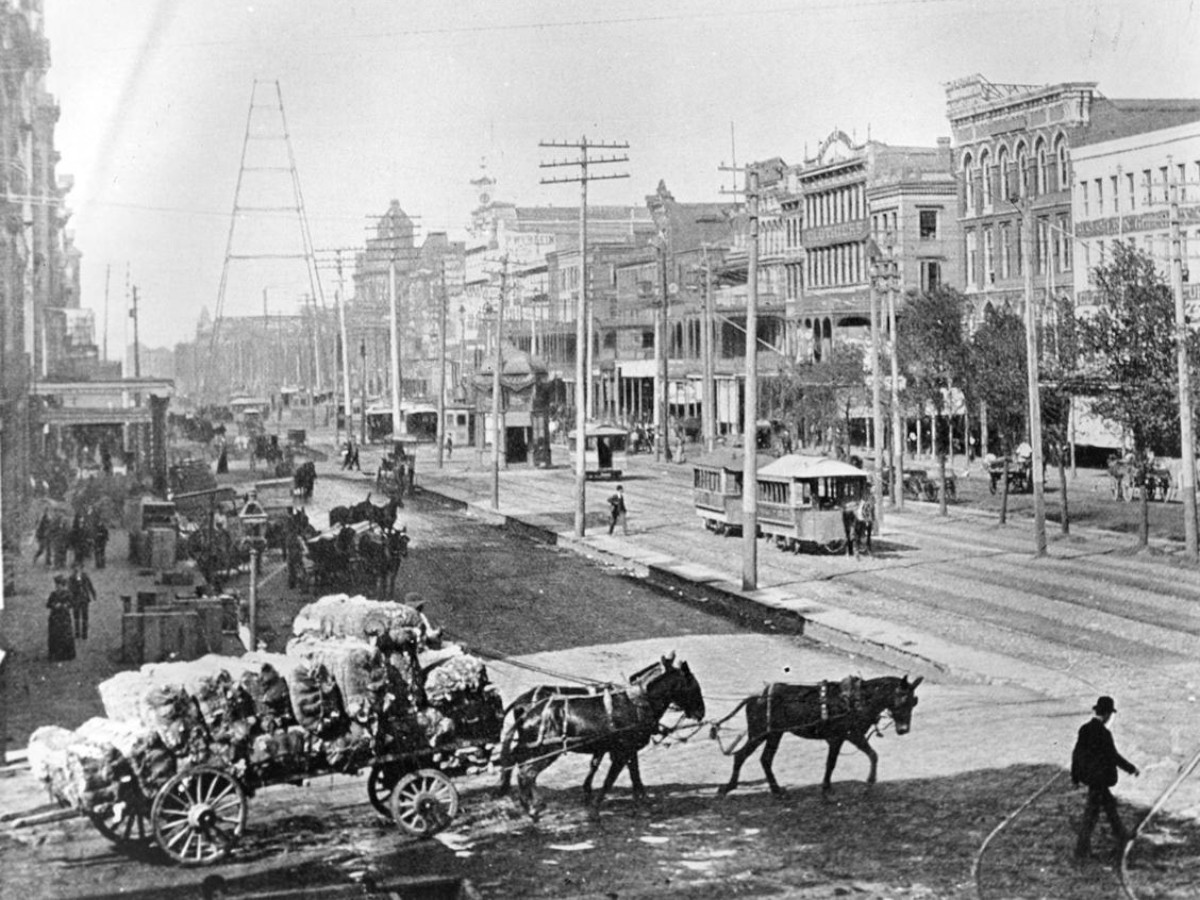
A large influx of Italian immigrants poured into New Orleans in the 1890s. They were recruited from Sicily by local business owners to replace black labor. They perceived Italians as harder workers than former slaves. It is believed that over 11,000 immigrants from Sicily emigrated to New Orleans as the decade began with an additional 3,000 joining them every year.
GROWING ANTI-IMMIGRATION SENTIMENTS
The country’s mindset at this time was strongly anti-immigrant and growing. Citizens were greatly influenced by the media, who were more interested in sensational headlines than the truth. Preaching that Italians were uneducated barbarians sold newspapers. The people of New Orleans were no different. They had total disregard for the growing population among them. The locals accepted they were disgusting human beings who spread disease throughout the city. There was a widespread belief that the Italians came from a vicious society and were culturally and genetically predisposed to brutally, bringing those traits with them to America.
MURDER IN NEW ORLEANS
On October 15, 1890, David Hennessy, the highly regarded New Orleans police chief, was shot dead. Walking home after dinner, he was ambushed by several men, firing shots at him. He pursued his attackers, firing back before crumpling to the ground. A friend, Captain William O’Connor claimed that as Hennessy lay upon the ground, he whispered the identity of his assailants as “dagos” (derogatory term for Italians). He was, however, alive for several hours after that in the hospital and never mentioned anything about his attackers being Italian to anyone else before succumbing to his injuries. Suspiciously, O’Connor was never called to testify during the trial of the men charged with the crime.
FINGER POINTING
Two rival groups of Italians controlled the City’s waterfront, the Matrangas and the Provenzanos. Hennessy was responsible for people aligned with the Provenzanos being sent to prison. Some say Hennessy was about to provide evidence exonerating the Provenzanos and putting the Matrangas in the hot seat. Others claimed it was not true. All of this was conjecture and hearsay but no one in the community was really interested in the facts.
Immediately, the community united in their desire for Italian blood to avenge the police chief. The local newspapers jumped on the bandwagon immediately holding the City’s Italians responsible for the crime. They stirred up resentment in an already furious community, willing to take matters into their own hands. The next day, the Mayor, Joseph A. Shakespeare instructed the police to “Scour the whole neighborhood! Arrest every Italian you come across, if necessary, and scour it again tomorrow as soon as there is daylight enough. Get all the men you need.” He then called upon the community to ensure the Italians receive their just punishment, declaring “Sicilian vengeance” was responsible for Hennessy
A MOTIVE TO GO AFTER THE ITALIANS
Aside from outright racist and prejudice, Mayor Shakespeare also had political motivation for turning on the Italians. He was New Orlean’s new reform democrat mayor. It was well-recognized that the Italians voted for the city’s established political apparatus, the Regular Democratic Organization. In becoming the loudest voice in demanding revenge against the Italians without any evidence, did he inflame the community to suppress political rivals? Motives may actual run deeper. Reconstruction was in full swing. Was the community fearful of the consequences of all the new voters? Were they afraid of the possibility of white citizens losing political power as they viewed Italians as non-whites.
ELIMINATING THE ASSASSINS WITHIN OUR CITY
The city formed “A Committee of Fifty” with the goal of rooting out the assassins and preventing secret societies from taking hold in New Orlean’s Italian neighbor. The most prominent men in New Orleans as well as elected officials were well represented within this committee. They urged the City’s Italians to reveal the culprits within their own community. Clearly threatening the group with violence outside the law if this request was not heeded.
Two hundred and fifty men, all Italian were grabbed off the street and taken to the jail. Forty-five men would remain in custody with nineteen eventually charged with murder. All were held without bail. Included in the round-up was the head of the Matrangas family along with many of his friends and family. Others were charged based upon such flimsy evidence as owning a shop near where Hennessy was shot or being friends of that shop owner. Some were arrested because they lived near Hennessy’s home.
While awaiting trial, newspapers across the country published erroneous and blatantly untrue reports about the defendants claiming such things as a huge Mafia presence had been established in New Orleans
THE TRIAL
March 13, 1891, nine men went to trial. The evidence presented against them was shaky at best. There was absolutely nothing that tied any of the men to the murder. The trial produced six acquittals and three mistrials. Unbelievable, after the trial, the judge returned them to prison despite the acquittals because an indictment of “lying in wait” was expected in the future.
ADDRESSING THE INJUSTICE
The next day, New Orleans politicians and its leading citizens along with the media energized the community into a frenzy. They implied that if they were to get away with it, vengeance killings against citizens would spread through the city. A rumor quickly spread that the Mafia had paid off the jurors. The Committee of Fifty held two meetings to implement a plan of action to correct this failure of justice. Fifteen minutes after the end of the second meeting, a mob of thousands stormed the prison. The Committee of Fifty members among them.
Eleven prisoners were either shot or hung. Included in the killings were two prisoners who were not even part of the trial but happen to be Italian. It was the biggest mass lynching even witnessed before or since in America. One of the men was shot over forty-two times. Another found to be hiding under a staircase was hung on a lamppost. When the rope broke, they tried to hang him two additional times unsuccessfully before smothered him to death. As souvenirs, the crowd ripped off his clothes. Unbridled cruelty marked the murder of each of the eleven men.
DIPLOMATIC CRISIS ENSUES
The lynching led to a diplomatic crisis with the Italian government. They insisted Italian citizens be safeguarded and those responsible for the lynchings be prosecuted. The United States lack of an appropriate response enraged the Italian government. They called home their ambassador, after the Secretary of State placed the blame for the lynching squarely on the victims. Italy was seething, leading Secretary of State Blaine to apologize for his behavior. He had been assured by the Louisiana Governor that the circumstances were related to specific individuals and had nothing to do with their nationality. The situation generated a major international crisis with fear that it would result in military action between the two countries.
The federal government could not charge the men responsible for the crime since under the law, it fell under Louisiana state authority. Italy demanded that reparation be paid to the families of those unfortunate souls who were murdered. Under pressure, the United States became obligated to pay the families of each victim $25,000 (approximately $760,000 in today’s dollars). Congress tried unsuccessfully to halt the reparations, condemning the action as an unconstitutional seizure of Congressional power.
In an attempt to improve relations with the Italian government, President Benjamin Harrison issued a proclamation establishing the national holiday of Columbus Day in 1892, which observed the discovery of America four hundred years earlier by an Italian. These actions allowed for resumption of relations between the two countries which drew massive condemnation from Americans.
RAMIFICATIONS OF LYNCHING
In the next election, Shakespeare lost the race to the Regular Democratic Organization’s nominee. The Italian American vote strongly contributed to this outcome.
The lynching cemented the term “Mafia” in the America conscientious, connecting any crimes involving an Italian American to organized crime. It reinforced both the worst of Italian stereotypes and anti-immigration sympathies across the United States. The Senator from Massachusetts, Henry Cabot Lodge at first stated that he condemned the lynch mob’s behavior and then followed it by “the paupers and criminals of Europe were pouring into the United States”. He recommended that a literacy test be enforced to keep unwanted immigrants out of the country. Theodore Roosevelt expressed his view in a letter to his sister stating “Monday, we dined at the Cameron’s; various dago diplomats were present, all much wrought up by the lynching of the Italians in New Orleans. Personally, I think it rather a good thing and said so”.
Most politicians of the time endorsed the idea that the New Orleans lynching did not constitute breaking the law but was “popular justice”. During the 1890s, an additional eight Italian men were lynched in Louisiana. No one was ever held responsible for those crimes either.
New Orleans Mayor LaToya Cantrell in 2019, officially expressed regret for the lynchings.