
THE AMAZING ACCOMPLISHMENTS OF IRAN
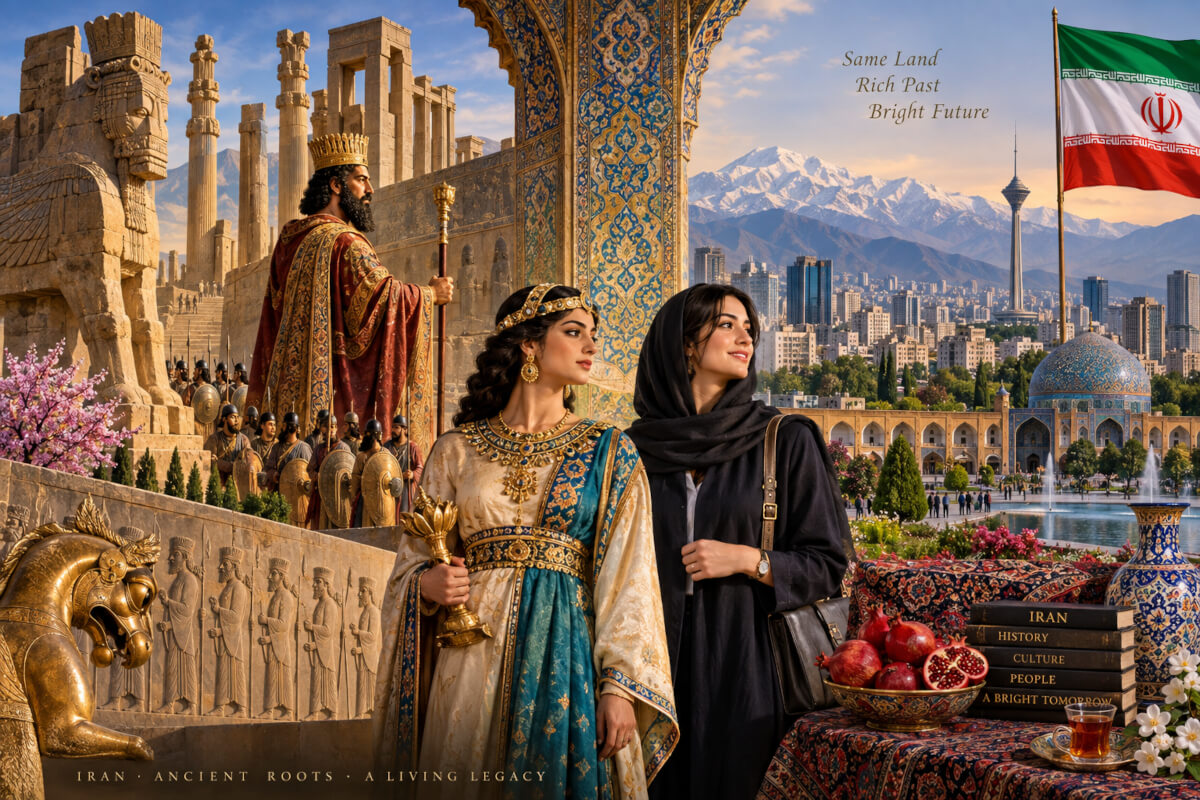
The Iran we know today are champions of terrorism through proxies. They fabricate crimes in order to arrest and torture their citizens, threaten nuclear war and mistreat their religious minorities. This is the polar opposite of what Iran once was. It is a country that has become morally bankrupt, void of ethics and lacking a thread of integrity. It is a land at stark odds with its illustrious past. Who would believe a country that has total disregard for human rights was once the first country on earth to codify policies on human rights. It is almost unimaginable that religious freedom and respect for all people started in what was then called Persia in the 6th century BC. The current repressive regime of destruction has dimmed the memory of the remarkable contributions to science, math, art, literature and technology the country has made throughout its history.
For a period of more than twelve centuries ruled by three dynasties, Persia expanded in size beyond anything seen before, becoming the preeminent empire of the ancient world. The first ruler of the Achaemenid dynasty, Cyrus the Great (559 BC to 530 BC) took control of the majority of the Near East by conquering Media, Lydia and Babylon. His son, Cambyses II (530BC to 522 BC) added Egypt to its conquests. The dynasty attained its peak under the next ruler of the Empire, Darius the Great (522 BC to 486 BC). From the borders of India to northern Greece, twenty countries fell under the control of Darius but operated as semi-independent lands. He never imposed his own beliefs, respecting each territory’s culture. The empire was divided up into provinces, each one having its own governor. In order to centralize the kingdom, he established a uniform monetary system, improved roads and introduce Aramaic as an official language in addition to Persian. To strengthen trade, he built canals and enhanced his Navy. The amazing accomplishments of ancient Persia span both inventions and cultural advancements including:
Human Rights: The world’s first human rights law was codified by Cyrus the Great of Persia in 534 BC. Discovered in Babylon, the Cyrus Cylinder written in Akkadian cuneiform script and made out of clay preceded the Magna Carta by a thousand years.
Women’s Rights: In ancient Persia, women received equal pay to men. They held the same jobs, owned land, carried out all levels of business and served in the military. They had skilled trades and ran workshops. Many were held in high regard and became influential members of the empire.
Astronomy: The ancient Persians established holidays, festivals and traditions to mark the summer and winter solstice, as well as the autumnal and vernal equinoxes. Prior to the 4th century BC, the ancient Zoroastrian festival of Mehregan was created to honor the autumnal equinox.
Algebra: The early 9th century mathematician, Muhammad ibn Musa Al-Khwarizmi created a universal method of analyzing problems in abstract mathematical language. His 830 AD volume, “The Concise Book of Calculation by Restoration and Balancing is the basis of modern algebra.
Modern Medicine: The father of early modern medicine, Ibn Sina (980-1037 AD), known as Avicenna to the western world, wrote the “Canon of Medicine”, a medical encyclopedia. During the medieval period in Europe, this became the established medical reference book used in universities. He was well versed in many disciplines including philosophy, astronomy and mathematics.
The Teaching Hospital: The Academy of Gondishapur was founded during the sovereignty of Shapur I (240-270 AD) as a center of learning. It is the oldest known university, going back 1,700 years. Areas of study included medicine, science, philosophy and theology. It developed the prototype of a hospital and medical school. The institution served as the foundation of medical knowledge being disseminated from Iran, Greece and India to the Islamic world.
Brain Surgery: During excavations at the Burnt City of Shahr-e Sukhteha, archaeologists unearthed a 4,800-year-old skeleton of a girl who had brain surgery to treat hydrocephalus. The child passed away within a year of the operation.
Artificial Eyeball: A prosthetic eye was also found in Iran’s Burnt City of Shahr-e-Sukhteha, in a 5,000-year-old tomb of an aristocratic woman. It was the first known example of an artificial eyeball in history. It was set in the left eye socket resembling a normal eye right down to the actual anatomy. It was made from bitumen and animal fat, exhibiting a total understanding of ocular structure.
Sulfuric Acid: Abu Bakr Muhammad ibn Zakarya ar-Razi (865-925 AD) was a renowned scientist, doctor and alchemist. In the course of his alchemical experiments, he identified sulfuric acid and how to distill alcohol. Sulfuric acid, a mineral acid combining oxygen, hydrogen and sulfur, is one of the most important chemicals we have today. It is used to manufacture fertilizers, pharmaceuticals, detergents, glue, paint, explosives and batteries. His discovery of pure alcohol was found when investigating the distillation of wine. His findings set the stage for the development of the distillation process.
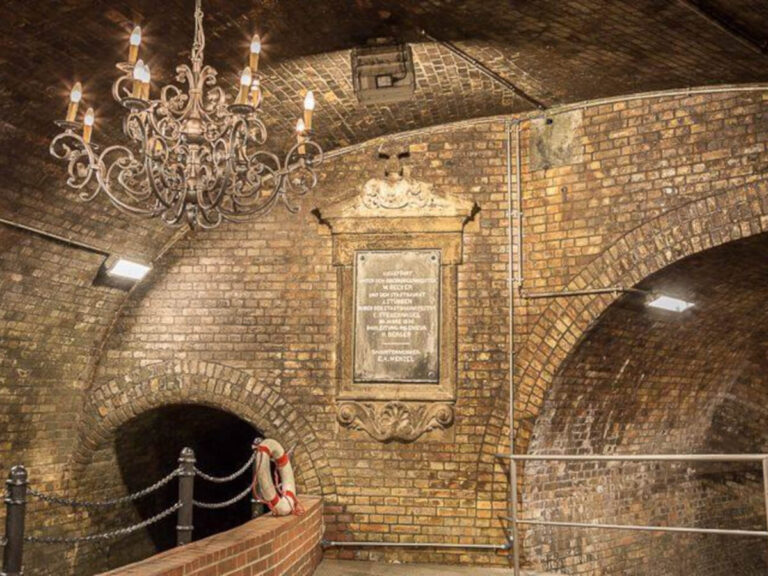
Water Irrigation: The Persians invented a water irrigation system known as a Qanat which allowed water to be diverted to the surface into wells over 3,000 years ago. This was accomplished through an underground aqueduct. The Gonabad Quanat is believed to be the oldest system in the world and is still supplying water to the town.
Farming: The first known farmers were the Persians approximately 12,000 years ago, growing wheat and barley. There is some indication that experimental cultivation may stretch back as far as 23,000 years ago. Their knowledge of farming was disseminated to other early urban cultures.
Spinach: Originating 2,000 years ago in Persia, spinach was cultivated from an edible undomesticated green. It soon reached India, Nepal and China. It found its way to Sicily about 200 years later via the Muslims. By the 11th century, it arrived in Spain from the North African Moors. During the Middle Ages, it was widely used throughout Europe and arrived in North America with the first colonists.
Roses: Ancient rose fossils have been found dating back 35 million years, but it was the Persians who domesticated the flower. Cyrus the Great had gardens of roses prized for their beauty. Its aromatic oils were used in religious ceremonies. They were traded along the silk route to China and Europe.
Tulips: Cultivated in Medieval Persia in 1,000 AD, it is believed that tulips became so popular due to their name in Farsi, the language of Persia. Tulips were known as Laleh which uses the equivalent letters to Allah. The 16th century Ottoman Empire later used the tulip as their symbol of power. They was so treasured in Holland in the 1630s that they became more costly than the purchase of a home.
Refrigerators: Persians had by 400 BC understood the practice of storing ice in the desert. The Yakhchal was an ancient refrigerator. Evaporative cooling and underground storage allowed these domed mud brick structures to maintain the cold even on the hottest days. The domes could stand 50 feet high with very deep storage spaces. Insulation material was made from clay, straw, sand and animal hair. Ice was transported in the winter from the mountains to be stored in the Yakhchals. They were so well constructed that some are still standing today.
Windmills: Ancient Persians used wind to create Asbads. These windmills could convert wind to other forms of energy. Strong winds in Eastern Iran can whip the landscape up to 75 miles an hour all year long. The wind circulates through the wind catcher openings. This action turned the wheels causing vanes to rotate millstones, grinding grain. They were grouped together at the highest point in a village to best utilize the winds.
Battery: Construction workers in the ancient Western Iranian territories of Greater Iran (now Iraq) uncovered the Parthian battery. Built during the Parthian period, (248 BC-224 AD), it was a ceramic clay jar with a cylinder made out of copper sheet, an iron rod and asphalt stopper. The jar produces between 1.5-2.0 volts of electricity when filled with vinegar.
Animation: In Iran’s Burnt City of Shahr-e-Sukhteh, a 5,200-year-old bowl was unearthed. The bowl had a connecting series of five images illustrating a goat and a tree. The images were consecutive and by spinning the bowl, you would see the goat in action, jumping up to snatch leaves from the tree. This makes it the oldest cartoon in history.
Banks: During the Achaemenid Dynasty (705-303 BC), banks were established. They issued loans and accepted deposits. Bank notes started to be printed in 6th century BC. The Persian banking system was so successful that it remained in place until 1925, when modern banking was founded.
Postal System: The Achaemenid Empire at its pinnacle extended 2.1 million square miles from the Iranian plateau. It stretched out into the Indus Valley in the East and the Balkans and Cyrenaica to the West. It included Mesopotamia, the Levant, Cyprus, Anatolia, the Southern Caucasus and parts of Central Asia and Eastern Arabia. Along all the routes, timely messages were carried by horseback throughout the Kingdom.
The Royal Road: After conquering the Median Empire, Cyrus the Great then continued his acquisitions by expanding into the Near East, West and Central Asia. The third king of the Achaemenid Empire, Darius the Great (522-486 BC) continued to expand the territory by conquering parts of the Balkans, West Asia, the Caucasus, the Indus Valley, Southeast Europe, North Africa, Egypt, Libya and Sudan. To actively control and communicate with the vast territories in the kingdom, presented an administrative nightmare. He set about building a highway system that would integrate the entire country. Garrisons and storehouses were built every 18.5 miles, which was one day’s travel. Along with rest stations and inns. By doing this, he was able to effectively maintain administrative control throughout his lands. This predated the Roman road system by several hundred years.
Monotheism: Zoroastrianism was an ethical ancient Persian religion founded by the prophet Zoroaster. Its early beginnings stretch back conceivably to the 2nd century BC, but its earliest known writings date to the 6th century BC. Zoroastrianism had a dramatic effect on the Persian culture. It is one of the oldest religions in the world and the first to believe in monotheism. For more than a thousand years, it was the faith practiced by the Persians until the Islamic conquest in the 7th century AD. It was based upon one supreme benevolent being, Ahura Mazda. Its scriptures, the Avesta expounded the belief of “Good Thoughts, Good Words and Good Deeds”. It was first to introduce the concept of heaven, hell and purgatory to the world. In opposition to Ahura Mazda was Angra Mainya who represented everything that was morally detestable. This signified the struggle between good and evil with Ahura Mazda prevailing over Angra Mainyu. After the Muslims conquered Persia, they persecuted the Zoroastrians, most of the community who did not convert to Islam, relocated to India.
Textile Industry: Woven sheep’s wool and goat hair have been found in ancient Persian sites, dating back to 6,500 BC. A tablet from the 4th century depicts a weaving loom.
Persian Rugs: The rugs we are familiar with today had very humble beginnings. Nomadic tribes gathered plant stalks from marshlands and wove rugs to cover the floors of their tents over 2,500 years ago. During the Achaemenid Empire (550-330 BC), Greek texts cited the artistic mastery of Persian rugs. They were extensively used in royal and aristocratic furnishings, as well as highly prized diplomatic gifts. It was during the Safavid Dynasty (1501-1722 AD) that it became a national industry. At that time, established geometric design composition grew to include florals and medallions. It was during the 19th century that exports went into worldwide distribution, becoming recognized for their extraordinary workmanship.
Bazaars: The concept of the bazaar originated in ancient Persia in 3000 BC. The covered marketplaces included many small stalls or shops which served as a city’s central commercial hub. In time, bazaars expanded to include workshops, cafes, and various other commercial and religious activities. It became a community meeting place and often through history the focal point where political dissent grew. Bazaaris, are the individuals who operate their businesses out of the bazaar. Merchant families became wealthy and gained prestige and power over time. They aligned themselves with anti-government protests, social groups and religious leaders, when grievances were shared. Under the Islamic Republic, bazaaris were given status and power to control political opposition emanating out of the bazaar. Friday became the day of the prayer gatherings because that was the day people would amass at the weekly bazaar to shop.
Wine: A clay pot used for collecting wine from 4,500 years ago was unearthed in northwestern Iran. The grapevine is native to Iran and was introduced to China during the Han dynasty in 128 BC.
Orchestra: An engraved clay cylinder seal from the Protoliteraate period, (roughly 3,500 BC) was discovered in the Khoozestan province. It depicted a structured orchestra with a singer.
Perfumes: The art of making perfume was invented in ancient Persia as an offshoot of incense ceremonies used in the worship of Zoroastrianism. The ceremonies used thick scented oils which were required for purification. The later invention of the distillation process allowed for the improvement to non-alcohol distilled fragrances.
Guitar: During the Abbasid Caliphate (750-1258 AD), a musician named Zaryab Shirazi invented the classical guitar by making alterations to the strings of the lute. He moved to Spain and opened a music school in Cordoba. He had extensive influence over the development of Spanish music.
Trumpets and Harps: Dating back to between 2200-1750 BC, a number of trumpets made of precious metals have been discovered. Both horizontal and vertical harps dating back to 650 BC were found at a site in Madaktu.
Backgammon: One of the oldest board games in history was invented around 3,000 BC by the Persians.
Polo: The game of polo originated in ancient Persia under the name Chovgan. It became the national sport. It grew out of a cavalry training exercise known as “Game of Kings”. The game became favored by aristocrats. It was then embraced by the western world as polo.
Birthdays: The tradition of celebrating one’s birthday is a practice that first started with the ancient Persians. It evolved from a festival commemorating the King’s birth to members of the upper class celebrating their birthdays. It eventually became a widespread practice of the lower class. The parties included a birthday cake with candles and celebratory food.
Finishing a Meal with Dessert: The Persians started a tradition of eating desserts after meals. They thought it assisted in digestion. Among the privileged, it became a display of wealth. The over-the-top treats were sweetened with fruit and honey. They incorporated such flavors as saffron, rosewater and orange blossom, adding almonds, sesame seeds and pistachios. While the powerful indulged themselves, the Greeks took issue with these excesses believing this to be a sign of Persian weakness.
Hospitality: No, Iranians didn’t invent it, but they perfected it. This is a key element of the Iranian identity. They have a love for sharing their time, resources and knowledge with others. A guest is considered a blessing from God. The Iranians practice of Taarof, is the act of offering a tangible item repeatedly prior to it being accepted or rejected. As a sign of respect, both hands are used to greet people particularly when the person is your elder. Robust greetings include handshakes and air kisses on the cheeks.
HISTORICAL SITES
The United Nations Educational, Scientific and Cultural Organization (UNESCO) World Heritage Sites are designated to represent the most important cultural heritage locations around the world. Iran has an amazing 57 such sites selected for this honor. These include architecture, archaeological sites, gardens, bazaars, water and windmill systems and caravanserais (ancient roadside inns).
DISTINCTIVE CULTURAL NORMS
How much is it: What follows is it’s nothing; it’s not worthy of you. Iranians believe it is rude to state a price immediately but maneuver into it.
Nooch: Instead of saying no, Iranians just raise an eyebrow.
Dining: Meals are frequently eaten on the floor with a cloth laid out to put food and dishes upon.
Shoes: Street shoes are removed prior to entering a home. One frequently wears plastic slippers indoors.
Use of Right Hand: The left hand is considered unclean, being used during toileting. Out of respect, a host will always use their right hand when serving, eating or passing items to another person.
Soor: Iranians mark an accomplishment such as a promotion by giving out sweets.
Water Behind Travelers: To safeguard a person going on a trip, a glass of water is poured behind them.
Burning Espand: To ward off the evil eye, dried rue seeds are burned.
Night Before: Iranians celebrate birthdays and anniversaries on the night before an occasion.
Nowruz: Persian New Year’s origin heralds back to a Zoroastrian religious event. It has now become a secular celebration of the March Equinox. Preparation for the holiday begins with a major house cleaning and purchasing of new clothes. People visit friends and family and often throw parties. The holiday lasts 13 days. It is celebrated with a Santa Claus like figure of Amu Nowruz who brings presents to children. His wife is Nane Sarma, who he sees only once a year. He is portrayed as a silver-haired old gentleman with a long beard wearing a full-length blue cloak. His companion is Haji Firuz who wears bright red clothes and a felt hat while dancing through the streets, shaking his tambourine and singing.
PERSIA THEN, IRAN NOW
The past accomplishments of Iran are nothing short of amazing. It is a sad commentary to realize how far this kingdom has fallen. Greatness was only achieved when rulers gave their people the freedom and liberties to imagine, create and flourish. To use their resources for the good of the nation, not to repress their citizens and squander their resources in the name of destruction and hatred. A lesson completely lost and distorted by the current regime. Cyrus the Great should not be considered a visionary because he allowed all his subjects to live and worship as they wished. All people should have this right! His decision to follow this practice led to the most influential civilizations in the ancient world.
This article was written in honor of dear friends, Payam Shakouri and Maria Karghazian