

TATTOO INK CAUSES CANCER
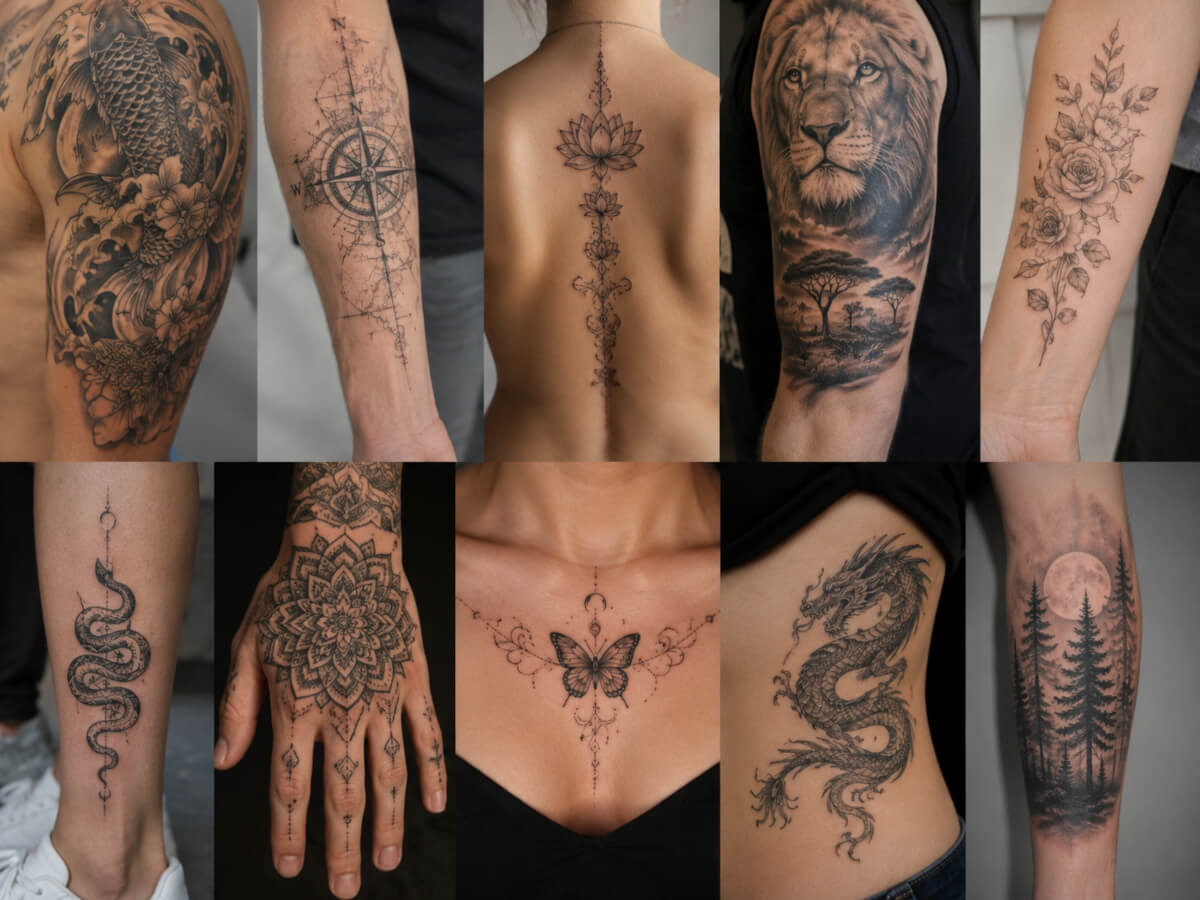
At one time tattoos were reserved for bikers and gang members. In recent years they have become mainstream and are now considered an art form. The popularity is driven by Millennials and Gen X generations, who see tattoos as part of their identity and use inking as a way to self-expression. Social media has played a large role in this, bringing tattoos into vogue as a fashion embellishment. Millennials usually prefer large more detailed pieces, while Gen X prefers smaller micro pieces.
THE EXPLODING POPULARITY OF TATTOOS
According to the Pew Research Center, 32% of Americans have at least one tattoo with 22% having more than one. Overall, millennials most often have body art, with 47% having at least one. Surprisingly, among the Gen X population (18-29), young women have almost twice as many tattoos as young men. With 56% compared to 26%. Over 50% of the LGBTQ community in this country have tattoos, with only 13% of baby boomers inking.
People have many reasons for choosing to get tattooed. Some want to identify as belonging to a certain group, others want to memorialize someone they love, with others wanting to feel empowered by creative expression.
THE ORIGINAL OF TATTOOS
Tattoos date back well over 5,000 years ago. They were culturally integrated into indigenous societies around the world. These tribal tattoos were meant to portray heritage, community status, achievements and as protection from evil. They were extensively used by Polynesians, Native Americans and Africans who covered large portions of their bodies. Tattoos have even been found in ancient mummies.
TRIBAL TATTOOS USED NATURAL MATERIALS
Tribal tattoos were usually solid black. They were extracted from natural materials with carbon-based pigments like charcoal, soot or ash as the base. It was then added to water, oil or fats to produce a stable application. If color was desired, plant extracts from berries, leaves or roots were utilized. Mineral extracts from red hematite, yellow ochre or green malachite were also used. The pigments were inserted by manually puncturing the skin. The freshly made charcoal used in the mixture had antibacterial qualities that assisted in cleaning the tools and the wound.
MODERN TATTOO TECHNIQUES
Today, tattoo artists start the process by sanitizing the area, then employing a stencil. Thin needles are then used to produce an outline. Larger needles are then used to fill in the colors. The artist will then apply ink under the skin utilizing a high-speed electric machine that punctures the skin with needles of up to 3,000 pricks per minute. The artist utilizes needles which are solid and act like a paintbrush. The ink migrates down the outside of the needles, dropping the ink in place. They transport the pigments to the dermis layer buried beyond the out layer of the skin. The dermis layer is a stable collagen medium that traps color in place. The process causes trauma to the body, setting off an immune response. White blood cells get an urgent message to clean up the ink but because the ink fragments are too large, they get stuck in the dermis. These trapped white blood cells will die, and new cells will surround the ink, usually allowing the ink to permanently remain in place.
TODAY’S TATTOOS CAN USE INK WHICH INCLUDE CARCINOGENS
Recent studies have shown a link between tattoos and specific cancers. The risk of lymphoma is three times higher for those individuals with a tattoo. For those with large tattoos, that risk is three to four times higher. Ink can travel into the lymph nodes causing chronic inflammation. Some inks include carcinogens. This includes heavy metals such as arsenic, nickel, cadmium and chromium. They may also include polycyclic aromatic hydrocarbons which are environmental contaminants which may cause cancer with long term exposure.
INK PARTICLES CAN MIGRATE
Ink particles from tattoos can migrate and become stored in the lymphatic system and lymph nodes where they can impact immune responses causing inflammation and cause abnormal immune system responses. Some pigments can be transported through the bloodstream to the liver and spleen. A person can often eliminate these particles, but the heavy metals, polycyclic aromatic hydrocarbons, and ongoing inflammation can cause long-term health risks such as cancer. The ink may also cover skin conditions and could lead to skin cancer going untreated.
STERILIZATION AND CONTENT OF INK
Doctors stress that tattoos can carry additional risks such as infection and allergic reactions. They strongly recommend using professional, well-vetted artists, and follow established aftercare practices and monitor your skin for any changes. Before committing to a tattoo, discuss with the artist their sterilization process and content of the ink they will be using.
INK TRAVELS
When getting a tattoo, people need to consider that research has revealed that ink does not stay where you can see it. Ink particles migrate to the lymph glands and nodes where they collect. The older and larger a tattoo is, correlates with how much ink will accumulate in the lymph nodes. Research has found that tattooed individuals have a higher rate of lymphoma and skin cancers than those who do not have tattoos. People with several tattoos or very large ones need to be observant of any changes to their skin and follow up with their doctor. Safeguard against too much sun. UV rays can degrade ink and release toxins. These findings demand better regulation of ink ingredients and an increase in public awareness of the possible dangers of tattoos.
PREPARE BEFORE GETTING A TATTOO
Make sure the artist is licensed and their process is completely sterile. Find out exactly the content of the ink they use. Dress comfortably and do not drink alcohol for at least a day before. Ensure you are fully hydrated and have eaten prior to the procedure.
TATTOO AFTERCARE
It is important that for the first month after getting a tattoo to safeguard the area, to keep it from getting infected. Wash it twice a day with soap and water. Do not wear any garment that is tight around the area. Do not scratch the site and avoid sweating excessively. Steer clear of the sun, swimming and even bathing in a bathtub to keep it from fading. Seek medical assistance if the area becomes swollen, starts to bleed, discharge or becomes hot and red.